This website earns income through affiliate commissions, sponsorships, product sales, and Ads. However, Our opinions and evaluations about the products we write about are NOT influenced by our earnings. All product recommendations are our honest opinions, based on firsthand experience and extensive research. Read Our Full Affiliate Disclosure Here.


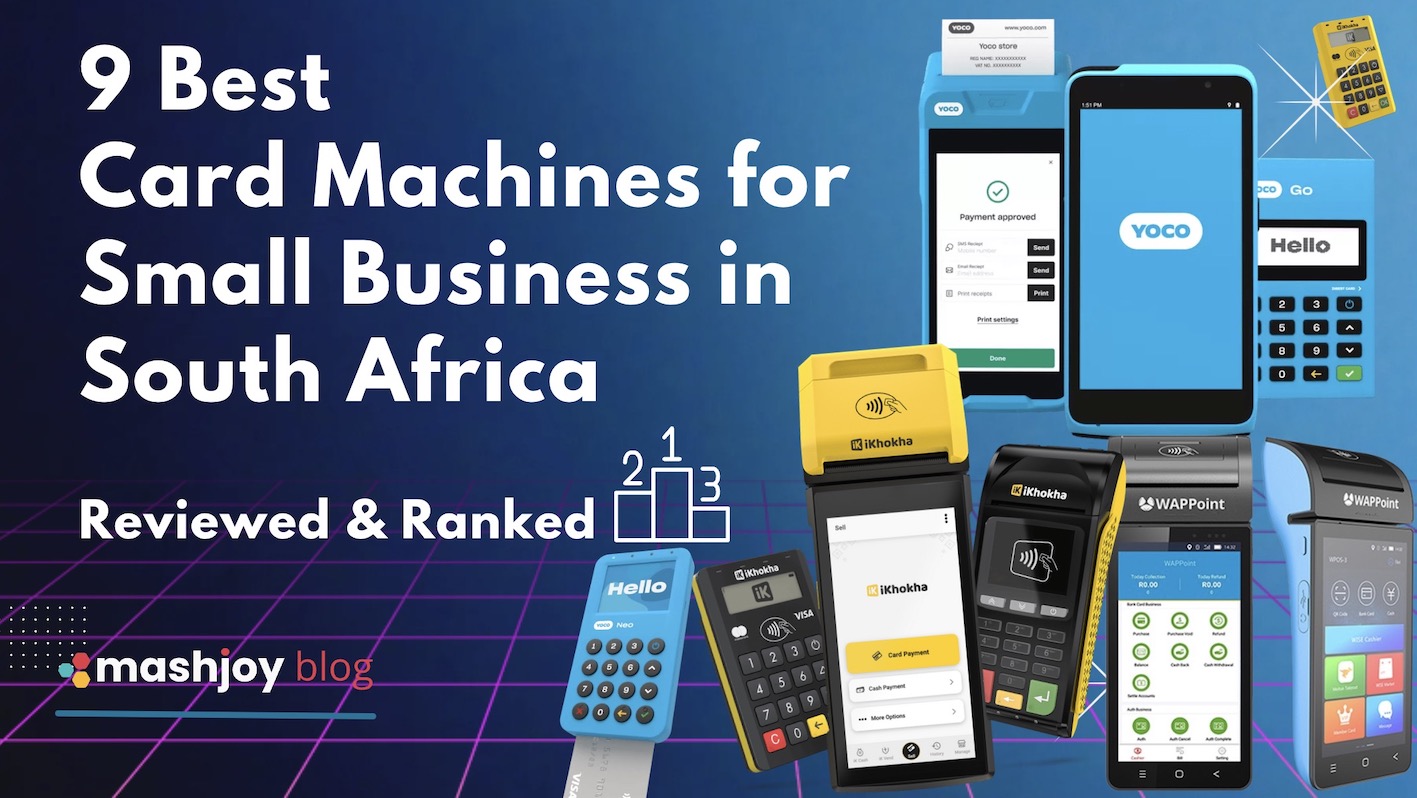
In this guide, we’re cutting through the noise. You’ll see real fee ranges, actual differences between providers like Yoco and iKhokha, and which card machine actually makes sense for your type of business.
If you’re starting out, switching providers, or upgrading your setup – this will help you choose properly the first time.
If you just want a card machine that works without problems, Yoco is the easiest place to start for most small businesses.
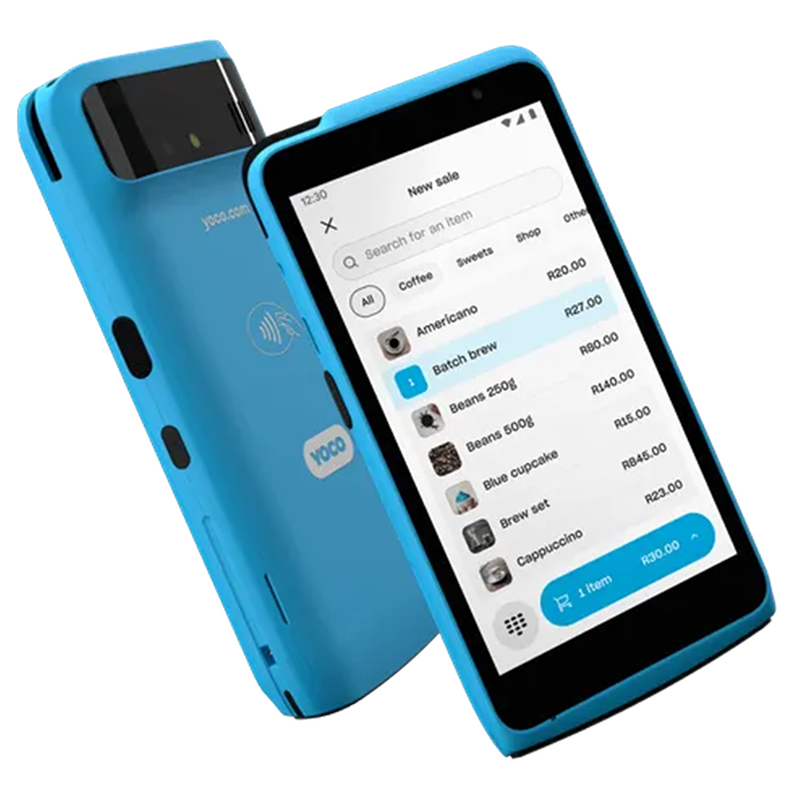
It’s simple to set up, payouts are fast (same day or next), and devices like the Yoco Khumo are often discounted (around R699), making it low-risk to get going.
If you’re processing more volume and want to reduce fees over time, iKhokha becomes a better fit, with more competitive rates and a smoother upgrade path into a full POS setup.
For larger or more demanding retail setups, Adumo offers more advanced payment options and infrastructure.
And if flexibility matters most, Wappoint gives you rental or once-off purchase options, plus the ability to negotiate fees as your business grows.
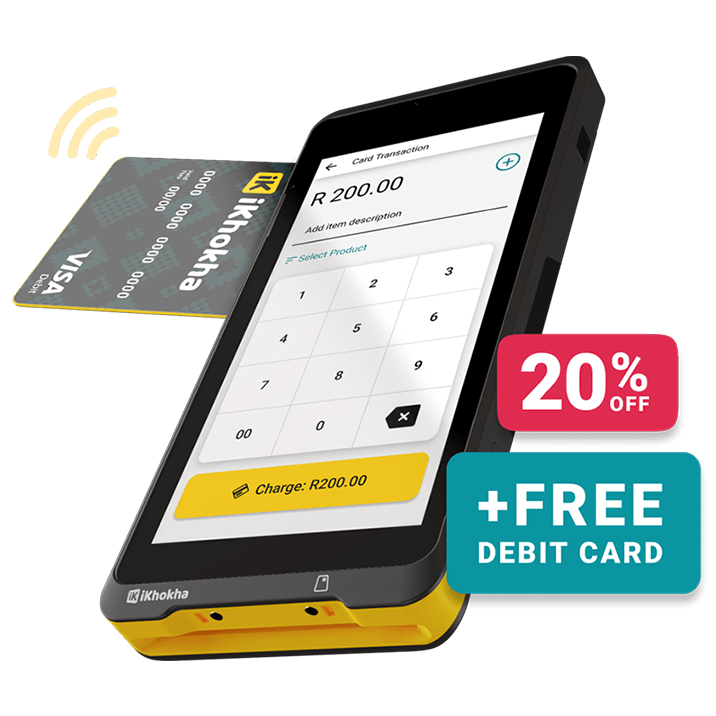
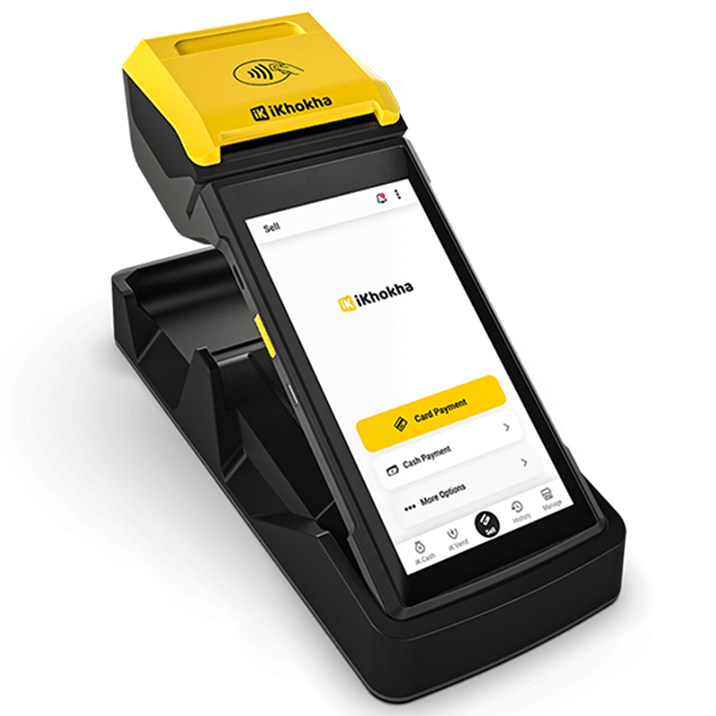
With all the providers in this article, you can get a card machine for under R1000 — like the Yoco Khumo or iKhokha Flyer Lite, and in some cases even “free” through Wappoint.
But that’s not where the real cost sits.
The real difference shows up in your transaction fees, how quickly you get paid, and whether the machine actually works when your business needs it most.
Starting with card machine transational fees, because that’s where money quietly leaks. In South Africa, you’re typically looking at:
It doesn’t look like a big difference upfront, but once you’re doing consistent sales, that gap starts to become noticeable. That’s why your monthly turnover matters more than the advertised rate – and why we’ve broken it down properly in the comparison table below.
When it comes to payouts, this is where things start to separate properly. Yoco tends to lead with instant and next-day options, followed closely by iKhokha. Adumo and Wappoint usually sit on standard next-day structures depending on setup.
In terms of everything else around built quality, reliability, features… don’t overthink it.
In real-world use, there aren’t major trade-offs anymore. Everything compares more or less the same.
All of these providers have gone a long way to meet a satisfactory benchmark in terms of battery life (you’ll comfortably get through a full trading day), stable connectivity (either with dual SIM arrangement, built in SIM + WiFi options), and devices that can handle load shedding conditions without issues.
Obviously, not everything is totally great out there. Below are my best card machine options that meet the above mentioned standards.
At this point, the choice isn’t about which card machine is “best” — it’s about which one fits how your business actually operates day to day. The differences between providers only really show once you start looking at fees, payouts, and how their systems scale with you.
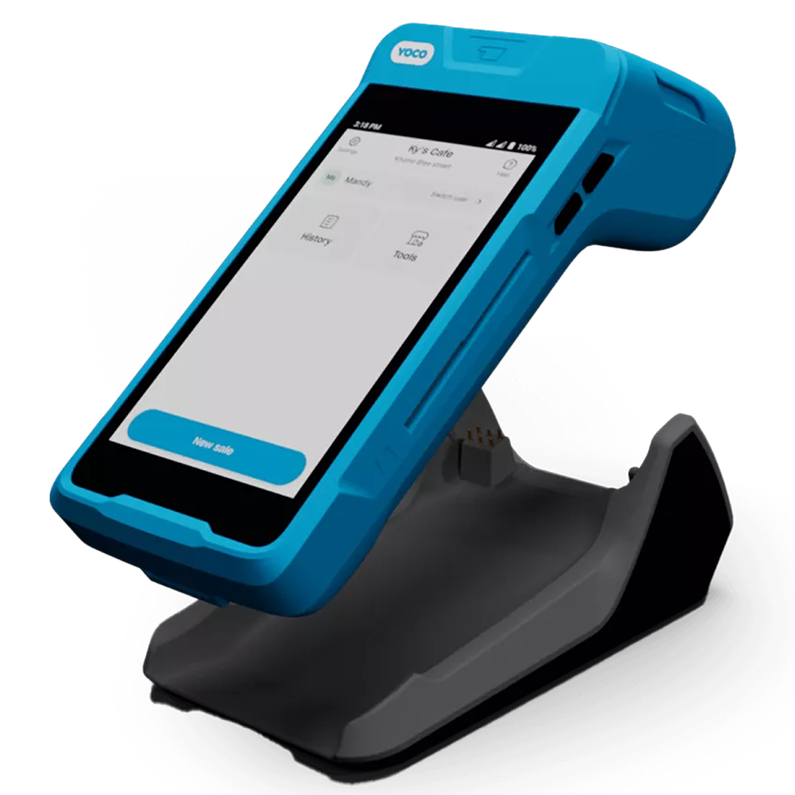
If you want something that just works without friction, Yoco is still the easiest option to start with. Setup is quick, the interface is simple, and devices like the Yoco Khumo are often priced around R699 during promos, which lowers the barrier to entry.
Where Yoco stands out is how clean the whole system feels — from taking payments to tracking sales. You also get flexible payout options (including instant payouts), which helps if your business relies on daily cash flow.
iKhokha becomes more interesting once your turnover starts increasing. Their fees are generally more competitive at higher volumes, and the system leans more toward retail-style setups with POS features built in.
It’s a strong option if you’re planning to grow, because you don’t need to switch providers later — you can expand into a more complete POS environment without replacing your setup.